


Asset Finance Rates in 2026: What Rate Will Your Business Pay?
Posted: 26 November 2026

Asset finance rates for UK businesses typically range from the low 6% region up to around 12% a year, depending on your trading history, credit profile, deposit, the term and the asset itself. Established businesses with strong credit, a good deposit and a mainstream asset such as a new truck, van or excavator get the lowest rates. Newer businesses, older assets and weaker credit pay more. Here’s what decides your rate, and how to get the best one.
Asset finance rates at a glance
- Typical range
- From the low 6% region up to around 12% a year (equivalent annual rate)
- Best rates
- Established businesses, good credit, a solid deposit and a mainstream, newer asset
- Higher rates
- Newer businesses, older or specialist assets, weaker credit or a small deposit
- Terms
- Usually 1 to 5 years, with an optional balloon on hire purchase
- Deposit
- Usually 10% or the VAT; more can lower your rate
- Panel
- We compare around 85 lenders, from Tier 1 banks to specialist funders
- Who we can help
- We typically arrange finance from £20,000. A deposit is usually required. We’re unable to help with active IVAs, debt management plans or recent bankruptcy.
Updated November 2026
What decides your asset finance rate?
- Years trading: two or more years of filed accounts open up the widest choice of lenders and the lowest rates. Newer businesses can still get finance, usually at a higher rate. See our guide for new businesses.
- Credit profile: the business’s credit file and the directors’ personal credit both count.
- Deposit and advance: the less the lender advances against the asset’s value, the lower their risk and the better your rate.
- Term: longer terms lower the monthly payment but can change the rate and increase the total cost.
- The asset: mainstream, newer assets that hold their value, like tractor units, vans and excavators, get better rates than old or highly specialised kit.
- The amount: larger deals often attract keener pricing from Tier 1 lenders.
- Where you buy it: dealer purchases are the simplest; private and business-to-business sales are fine with the right lender, with extra checks.
Rate jargon explained: flat rate, net rate and APR
Finance rates get quoted in different ways, and they’re not the same thing:
- Flat rate: interest worked out on the original amount borrowed for the whole term. It looks lower than the other measures because it ignores the fact that you’re paying the balance down.
- Net or annual rate: the yearly interest rate on the reducing balance. This is the measure our range of the low 6% region to around 12% refers to.
- APR: the annual percentage rate, which also includes fees. It’s required on regulated consumer credit, such as personal car finance, and gives the fullest picture of cost.
Flat rate vs annual rate: don’t be caught out
Some quotes use a flat rate, which is worked out on the original amount borrowed for the whole term. Because you’re paying the balance down every month, the true annual cost is higher than the flat rate, often close to double on a five-year deal. When you compare quotes, compare the equivalent annual rate and the total amount payable, not just the flat rate. We set out both clearly in every quote.
How to get the best rate
- Get your accounts and bank statements ready: recent filed accounts, management accounts if your year-end was a while ago, and three to six months of business bank statements.
- Put down a sensible deposit: 10% or the VAT is typical; more can lower the rate.
- Choose the asset carefully: a newer, mainstream asset usually gets better terms than an older or unusual one.
- Use a broker: one application, compared across many lenders, rather than several credit searches with individual lenders.
- Consider VAT deferral: it doesn’t change the rate, but it can ease the upfront cost. See VAT deferral explained.
Real examples
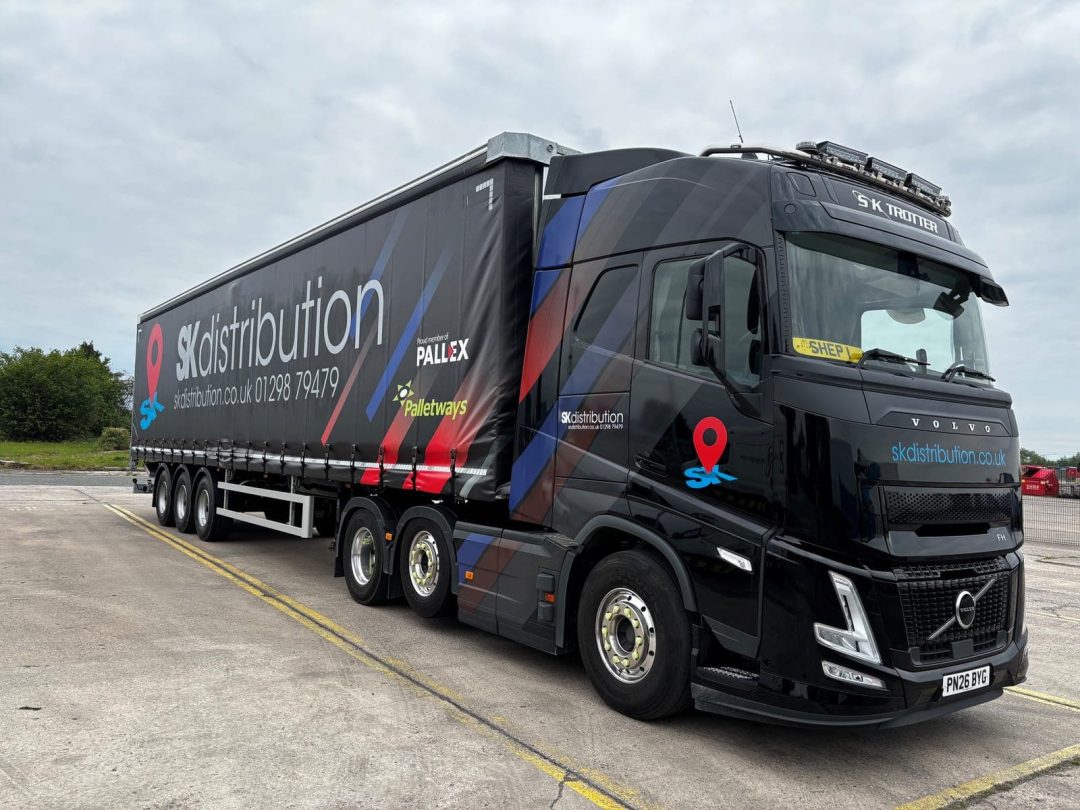
For SK Distribution, an established haulier, we secured Tier 1 rates on four new Volvo FH 500s worth £543k. MJL Transport got Tier 1 rates on £135k of trailers, and a Preston coach firm got a Tier 1 rate on a £100k Mercedes-Benz Tourismo. Rates were specific to those customers.
Try our finance calculator for an estimate, then get a quote for your real rate.
Frequently asked questions
What is a good rate for asset finance?
For an established business with good credit, a solid deposit and a mainstream asset, rates in the 6% to 8% range are a strong result. Newer businesses, older assets and weaker credit profiles pay more, up to around 12%.
What’s the difference between a flat rate, a net rate and APR?
A flat rate is worked out on the original amount for the whole term. A net or annual rate is the yearly rate on the reducing balance. APR also includes fees. The same deal can look very different depending on which is quoted, so always compare like with like and check the total payable.
Is a flat rate the same as an interest rate?
No. A flat rate is worked out on the original amount for the whole term, so the true annual cost is higher, often close to double the flat rate on a five-year deal. Always compare the equivalent annual rate and the total amount payable.
Does a bigger deposit get a lower rate?
Often, yes. A bigger deposit reduces the amount the lender advances against the asset, which lowers their risk and can bring the rate down.
Does a broker cost more than going direct?
Not usually. Boost doesn’t charge customers a fee; we’re paid a commission by the lender, which is included in the quote. Because we compare around 85 lenders, the rate is often better than going direct or using a single dealer lender.
Can I get a quote without affecting my credit score?
Yes. We can give you an idea of rates and payments before anything goes to a lender, and we’ll tell you before a credit search is run.
Rates shown are a guide only, are not an offer of finance, and depend on your circumstances, the asset and the lender. Finance is subject to status and available to UK businesses. Boost Finance is a credit broker, not a lender; we receive a commission from the lender, which is included in your quote.